
Lifestyle & Car TipsNews & Announcements
EV incentives in Singapore: How much can you save with rebates and road-tax discounts?
Buying an electric vehicle (EV) in Singapore can be very appealing right now, especially with government incentives that significantly lower the upfront cost. If you’re considering going electric, it’s good to know exactly what incentives are available, how they work, and how much you stand to save.
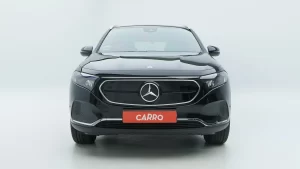 The Mercedes-Benz EQA Electric EQA250 - for sale at only $210,888!
That’s a substantial discount, especially when you consider how high the upfront cost for EVs can be. For many models, this rebate can reduce the effective registration cost to nearly zero, making EVs much more accessible.
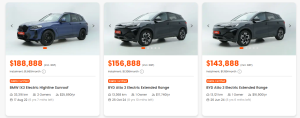 Get your EVs soon at Carro before the incentives end!
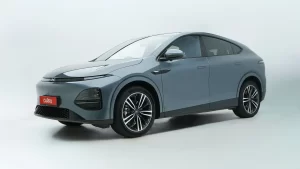 The XPENG G6 Electric Long Range RWD - for sale at only $192,888
On the other hand, if you only drive occasionally or can’t access charging easily, evaluate carefully - savings on purchase may be offset by practical limitations or long-term convenience.
Singapore’s EV incentive schemes make 2024–2025 one of the best times to consider going electric. With combined rebates of up to $40,000 off registration, plus lower road tax and operating costs, new EV owners enjoy a significant financial boost.
But incentives are evolving. Rebates will shrink from 2026 onward, so if you’re thinking of switching to an EV, acting sooner could lock in the biggest savings.
At Carro Singapore, we support smarter car buying decisions - whether EV or ICE. If you’re exploring your next ride, we can help you compare options, understand costs, and decide what works best for your lifestyle and budget.
The XPENG G6 Electric Long Range RWD - for sale at only $192,888
On the other hand, if you only drive occasionally or can’t access charging easily, evaluate carefully - savings on purchase may be offset by practical limitations or long-term convenience.
Singapore’s EV incentive schemes make 2024–2025 one of the best times to consider going electric. With combined rebates of up to $40,000 off registration, plus lower road tax and operating costs, new EV owners enjoy a significant financial boost.
But incentives are evolving. Rebates will shrink from 2026 onward, so if you’re thinking of switching to an EV, acting sooner could lock in the biggest savings.
At Carro Singapore, we support smarter car buying decisions - whether EV or ICE. If you’re exploring your next ride, we can help you compare options, understand costs, and decide what works best for your lifestyle and budget.
The Mercedes-Benz EQA Electric EQA250 - for sale at only $210,888!
Contents
hide
What are the main incentive schemes for EVs in Singapore?
There are two main schemes designed to make EVs more affordable and attractive:- EV Early Adoption Incentive (EEAI) - a rebate on the Additional Registration Fee (ARF) for EVs and taxis.
- Enhanced Vehicular Emissions Scheme (VES) - a rebate or surcharge applied based on the vehicle’s emissions band. EVs typically qualify for the highest rebate under this scheme.
| Scheme | Period | Incentive / Rebate |
| EV Early Adoption Incentive (EEAI) | 1 Jan 2024 – 31 Dec 2025 | 45% ARF rebate, capped at $15,000 |
| 1 Jan 2026 – 31 Dec 2026 | 45% ARF rebate, capped at $7,500 | |
| From 1 Jan 2027 | To cease | |
| Enhanced Vehicular Emissions Scheme (VES) | 1 Jan 2025 – 31 Dec 2025 | Band A1: $25,000 Band A2: $2,500 |
| 1 Jan 2026 – 31 Dec 2026 | Band A: $22,500 | |
| 1 Jan 2027 – 31 Dec 2027 | Band A: $20,000 | |
Current rebate amounts (2025)
As of 2025, these are the typical savings if you register a new EV:| Incentive | Discount / Rebate |
| EEAI | 45% off ARF, capped at $15,000 |
| VES (Band A1 - most EVs) | Up to $25,000 rebate |
| Total potential savings | Up to $40,000 off ARF for eligible EVs (2025) |
What’s changing soon - What to watch out for
Good news for now: the EEAI and VES schemes have been extended - but some changes are coming, especially starting in 2026.- From 2026 onwards, the cap on the EEAI rebate will drop from $15,000 to $7,500.
- Only fully electric vehicles (EVs) will continue to receive VES rebates. Hybrid vehicles will no longer qualify.
- The combined rebate potential will decrease to around $30,000 in 2026 and $20,000 in 2027.
How rebates affect what you actually pay
Let’s take an example to illustrate savings.- Suppose you consider an EV with an open market value (OMV) that leads to a pre-rebate ARF of $36,100.
- With EEAI ($15,000) and VES rebate ($25,000), the total rebates ($40,000) could offset the ARF fully - meaning you pay zero ARF at registration.
- After rebates, your upfront cost is significantly trimmed, making EV ownership more competitive against ICE cars when you add COE, insurance, and other charges.
Get your EVs soon at Carro before the incentives end!
What about road tax and ongoing savings?
Besides rebates at registration, EVs also benefit from more favourable road-tax treatment and lower running costs. Because EVs produce no tailpipe emissions and don’t use petrol/diesel, maintenance and fuel costs tend to be lower than ICE cars over time. Although specific road tax levels depend on power output, lower emissions and simpler drivetrain often mean lower long-term ownership costs compared to combustion vehicles. Over time, these savings add up - especially for drivers who cover many kilometres annually or commute daily. Read more: Are EVs cheaper to own than petrol cars?Things to watch out for before buying an EV
Before you decide to make the switch, here are a few caveats:- Rebates apply only at first registration. For used EVs or if you’re buying second-hand, you may not get the same incentives.
- The rebate schemes are being scaled down from 2026, so waiting could cost you some savings.
- The total cost of ownership still includes COE, insurance, maintenance, and potentially battery upkeep or replacement.
- Infrastructure and charging availability, while improving, remain important considerations depending on where you live and park.
Should you buy an EV now? When does it make sense?
Here’s a simple guideline based on your needs:- Buy now if you want maximum savings while EEAI + VES rebates are highest.
- Good for high-mileage drivers or daily commuters, because operating cost savings and road-tax advantages add up over time.
- Ideal if you have a stable charging solution (home charger, condo charger, accessible public chargers) to avoid convenience issues.
The XPENG G6 Electric Long Range RWD - for sale at only $192,888
On the other hand, if you only drive occasionally or can’t access charging easily, evaluate carefully - savings on purchase may be offset by practical limitations or long-term convenience.
Singapore’s EV incentive schemes make 2024–2025 one of the best times to consider going electric. With combined rebates of up to $40,000 off registration, plus lower road tax and operating costs, new EV owners enjoy a significant financial boost.
But incentives are evolving. Rebates will shrink from 2026 onward, so if you’re thinking of switching to an EV, acting sooner could lock in the biggest savings.
At Carro Singapore, we support smarter car buying decisions - whether EV or ICE. If you’re exploring your next ride, we can help you compare options, understand costs, and decide what works best for your lifestyle and budget.