Everything You Need to Know About Car Maintenance
Feel like you need to be a pro when it comes to car maintenance? Becoming good with car maintenance doesn’t mean you need to know how to dismantle an engine or replace a gearbox yourself. That’s a mechanic’s job. However, as a smart car owner, you should understand how your car works, know what’s normal and what isn’t, and recognise when action is needed.
Baca artikel ini dalam Bahasa Melayu

The Mindset of an Experienced Car Owner
Experienced car owners are always alert. They don’t wait until their car breaks down badly before taking action. They listen for unusual noises, feel for vibrations, and pay attention to small changes in their car’s performance.
For example, if the engine feels rougher than usual, they won’t ignore it. Instead, they’ll start asking questions: Do the spark plugs need replacing? Has the engine oil been in use for too long?
In short, they always pay attention to their cars.
Read more: 7 Essential Car Services You Should Never Skip
How Basic Knowledge Can Save You Thousands
Many people lose money not because their cars break down, but because they don’t understand what’s happening. When a mechanic recommends replacing multiple components, they simply agree without asking any questions.
With a little basic car maintenance knowledge, you can:
-
Filter out unnecessary recommendations.
-
Understand which repairs should take priority.
-
Make decisions based on facts rather than pressure.
Over time, this knowledge can help you save hundreds or even thousands of ringgit.
Essential Car Maintenance Basics You Should Know
Every car requires regular maintenance. It isn’t optional; it’s a necessity.
Regular Service Schedule
Regular servicing is the backbone of good car maintenance. If you neglect this schedule, minor problems can develop into major ones.
In general:
-
Engine oil should be changed every 5,000 to 10,000 km.
-
The air filter should be cleaned or replaced every 10,000 to 20,000 km.
-
Spark plug replacement intervals depend on the type, but typically range from 20,000 to 100,000 km.
Always follow your car’s owner’s manual, as it is the best guide for the specific model you own.
Key Components to Monitor
Although a car has many components, several require regular monitoring.
Engine Oil: Park your car on a level surface, switch off the engine, and wait five minutes. Pull out the engine oil dipstick, wipe it clean, reinsert it, and pull it out again. The oil level should be between the MIN and MAX marks, and the oil should be golden yellow. If it is very dark or has a burnt smell, the oil needs to be changed.
Radiator Coolant: Allow the engine to cool completely, then check the coolant level in the reservoir (the plastic tank beside the radiator). Make sure the level is between the MIN and MAX marks. If it is low, top it up with the same type of coolant already in the system until it approaches the MAX mark, but do not overfill it. Never open the radiator cap while the engine is hot, as this is extremely dangerous. If the coolant level frequently drops, it could indicate a problem such as a leak or engine overheating.
Brake Fluid: Make sure the car is parked on a level surface and the engine is switched off. Open the bonnet and locate the brake fluid reservoir, usually a small, translucent container near the rear of the engine bay. Check that the fluid level is between the MIN and MAX marks. If it is low, you may need to top it up with the appropriate brake fluid, such as DOT 3 or DOT 4, as specified in your car’s manual. Brake fluid should not decrease rapidly, so a consistently falling level could indicate a leak that needs immediate inspection.
Battery: The easiest way to check your car battery’s condition is to look for warning signs during use. If the engine is difficult to start, cranks slowly, or the lights appear dim, the battery may be weak. You can also inspect the battery itself to ensure there is no corrosion on the terminals and that the casing is not swollen. For a more accurate assessment, use a multimeter or have a workshop test the battery voltage. A healthy battery typically reads around 12.4V to 12.7V when the engine is off.
Tyres: Check tyre pressure using a tyre pressure gauge when the tyres are cold, and compare the readings with the recommended pressure on the sticker inside the driver’s door or in your car’s manual. For many passenger cars, the recommended pressure is around 30 to 35 psi, depending on the vehicle’s specifications. Also, inspect the tyre tread to ensure the tyres are not bald or unevenly worn.
By checking these components regularly, you can identify problems early.
Read more: When to Change Your Car Tyres: The Complete Guide
Car Components That Are Most Likely to Wear Out
Not all car parts deteriorate at the same rate. Some components naturally show signs of use and wear and tear more quickly than others.
Brake System and Brake Pads
Brake pads are among the components that wear out most quickly because they experience friction every time you brake. If left unattended, worn brake pads can damage the brake discs, which are more expensive to replace.
Signs of worn brake pads include:
-
A high-pitched squealing sound when braking.
-
The brake pedal feels like it travels further down than usual.
-
Stopping distances become longer.
Battery and Electrical System
A car battery typically lasts around 1.5 to 2 years. However, its lifespan can be affected by daily usage. Replacing the battery before it dies completely is a wise move.
Signs of a weak battery include:
-
The engine takes longer to start.
-
The lights appear dim.
-
Electrical systems behave inconsistently.
Shock Absorbers and Suspension
Shock absorbers and the suspension system help keep your ride comfortable and stable. However, these components can also wear out easily, especially if you frequently drive on uneven roads.
Signs of faulty shock absorbers include:
-
The car bounces more than usual.
-
You hear knocking sounds when driving over speed bumps.
-
The car feels unstable when cornering.
Early Warning Signs of Major Car Problems
This is where the difference between an ordinary car owner and a car maintenance “pro” becomes apparent. Experienced owners can identify problems before they become serious.
Unusual Noises and Vibrations
A car in good condition is generally quiet and stable. If you start hearing unusual noises, it could be an early warning sign of a problem. Don’t ignore these sounds.
For example:
-
Knocking sounds from the engine: Could indicate an internal engine problem.
-
Noises coming from the wheels: Could indicate a wheel bearing or wheel alignment problem.
Dashboard Warning Lights
Your car’s warning lights are not just decorations on the dashboard. They are part of the car’s communication system. If a warning light comes on, your car needs prompt attention. Ignoring it could lead to more expensive repairs.
Warning lights that should be checked promptly include:
-
Check Engine light.
-
ABS warning light.
-
Oil Pressure warning light.
Changes in Engine Performance
These are all early warning signs that need to be investigated. If your car:
-
Has lost acceleration or feels less responsive.
-
Uses more fuel than usual.
-
Has an engine that feels rough.
Read more: Understanding the Important Symbols on Your Car’s Dashboard
Read more: 6 Things to Check When Your Air Con Blows Hot Air
How to Estimate Spare Parts Prices and Servicing Costs
Comparing Market Prices
Don’t immediately agree to the first price you receive. Instead, take some time to compare several options so you don’t overpay and can get the best value for your money.
Start by checking prices online as a preliminary reference, then compare them with quotes from several other workshops in your area. Recommendations from friends or family members who have had similar work done can also help you get a more realistic idea of prices and learn from other customers’ experiences.
Genuine, OEM, or Aftermarket Spare Parts
There are three main types of spare parts:
Original or genuine parts are components supplied directly by the car manufacturer, such as Perodua or Toyota. They are usually the most expensive option but are designed to fit your vehicle precisely.
OEM parts are manufactured by the same supplier that produces parts for the original factory but are sold without the car manufacturer’s branding. Their quality is often comparable, but they may be cheaper.
Aftermarket parts are produced by third-party brands. They come in a wider range of prices and quality levels, with some offering excellent quality while others are more basic.
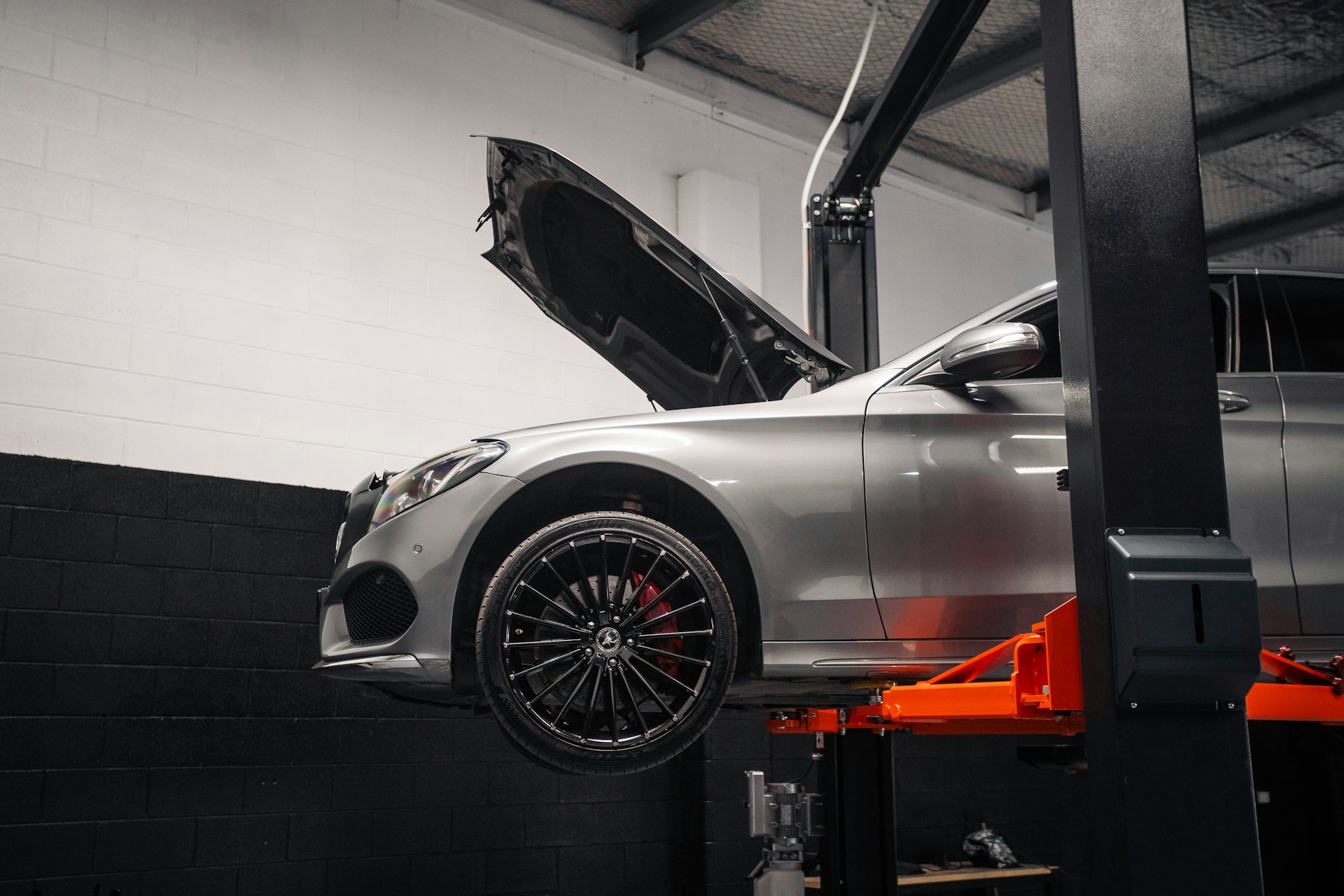
Photo by SL Autowerkes on Unsplash
What Car Maintenance Pros Always Do Before Sending Their Cars for Servicing
Before taking your car to a workshop, there are several things you can do to ensure the process goes smoothly.
Pre-Service Car Checklist
Take a few minutes to:
-
Record all the symptoms or problems you have noticed.
-
Check the engine oil level.
-
Take photos of your car’s condition.
How to Communicate with Your Mechanic
Accurate information helps mechanics identify the cause of a problem more quickly, saves diagnostic time, and prevents unnecessary repairs or part replacements.
Instead of making a general statement such as:
- “My car is making a strange noise.”
It is better to provide specific details, such as:
- “There’s a loud noise when I press the brakes at low speeds, and it disappears when the car goes faster.”
Keep Service Records
Your car’s service records are like its medical records.
They help you:
-
Know when components were last replaced.
-
Identify recurring problems.
-
Increase your car’s resale value.
Understand the Basics of Car Diagnostics
You don’t need to become an expert, but understanding basic diagnostics can be extremely helpful.
For example:
-
A squealing noise when braking: Could indicate worn brake pads or uneven brake discs.
-
A knocking sound from the engine: Could be caused by low engine oil or a combustion problem.
-
A humming noise when driving at high speeds: Could indicate a faulty wheel bearing or unbalanced tyres.
Comprehensive Car Inspection
A professional inspection covers several important areas to ensure your car is in the best possible condition.
During the inspection, technicians will assess:
-
The condition of the engine and transmission.
-
Suspension components and the braking system.
-
Interior condition, including the functionality of buttons and controls.
-
Exterior condition, including the paintwork and body.
-
Tyres and wheel alignment.
-
The car’s electronic systems and interior components.
Tips for Keeping Your Car Running Longer
Smart Driving Habits
The way you drive has a significant impact on your car’s lifespan.
Avoid:
-
Accelerating suddenly.
-
Braking harshly.
-
Driving too aggressively.
Daily Car Maintenance
Small things can make a big difference:
-
Check your tyres regularly.
-
Make sure there is enough coolant in the reservoir.
-
Avoid letting your fuel tank get too close to empty.
Common Mistakes Car Owners Make
Many car owners make the same mistakes without realising it.
These include:
-
Waiting until the car breaks down before servicing it.
-
Failing to keep service records.
-
Accepting every recommendation without asking questions.
Frequently Asked Questions
How often should a car be serviced?
Generally, every 5,000 to 10,000 km, depending on the type of engine oil and the car model.
Do I need to use only original spare parts?
Not necessarily. OEM parts are a popular choice for many car owners because they often offer good value for money.
Why is my car suddenly consuming more fuel?
This could be caused by problems with the air filter, spark plugs, or driving habits.
When is the best time to replace a car battery?
Before it dies completely, typically after around 1.5 to 2 years, depending on its condition and usage.
Is a squealing noise when braking normal?
No. It is usually a sign that the brake pads are worn.
Does wheel alignment need to be done regularly?
Yes. It is generally worth checking every 10,000 km or whenever the steering wheel feels off-centre.
Frequently Asked Questions About Carro Care
What is Carro Care?
Carro Care is a car servicing service that offers transparent pricing and a more professional servicing process that is easy for customers to understand.
Are servicing prices fixed?
Yes. Servicing prices are fixed and clearly stated, with no hidden charges for customers.
Who performs the car servicing?
Car servicing is carried out by qualified technicians with experience in the automotive industry.
What is inspected during car servicing?
A comprehensive inspection is carried out during servicing, covering the engine, brakes, suspension, and the car’s electronic systems.
Are the spare parts used of good quality?
Yes. Only high-quality spare parts are used to ensure customers’ vehicles remain safe and durable.
Is this service suitable for all types of cars?
Yes. The service is suitable for all types of cars, including locally manufactured and imported vehicles.
Become a Pro at Car Maintenance
Becoming skilled at car maintenance is not impossible. It simply takes a little effort, attention, and a willingness to learn. By understanding the basics, recognising early warning signs, and knowing the estimated costs, you can take better care of your car and avoid unnecessary expenses.
And if you don’t have the time or would rather not deal with all the hassle, don’t worry.
You can have your car serviced or repaired at Carro Care. We offer comprehensive services performed by qualified technicians using high-quality spare parts, with transparent, fixed pricing and no hidden charges.