
Lifestyle & Car Tips
Flash floods in Singapore: What to do when driving in heavy rain
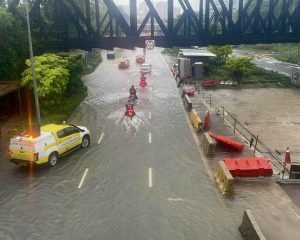
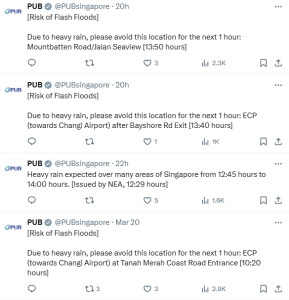
Stay updated on flood alerts
Before heading out, check for flood advisories from the Public Utilities Board (PUB). You can find them on X here. Singapore’s drainage system is designed to handle high volumes of water, but some low-lying areas may still experience temporary flooding. If possible, delay your trip until conditions improve.
Avoid flooded roads
If you see water pooling on the road, do not attempt to drive through it unless you are certain it's safe. Even shallow water can hide road damage or debris, and deeper water can cause your engine to stall. The general rule of thumb is to avoid water levels of 15cm or more. You may use kerbs as a point of reference, they’re usually 15cm in height.- If the water level reaches the kerb or covers part of a wheel, find an alternate route.
- Drive on higher ground whenever possible.
- Follow updates on affected roads through official sources like PUB’s official accounts.
What to do if you MUST drive through floodwaters
Sometimes, you might not have a choice but to drive through a flooded road. If that happens:- Stay in low gear (for automatic cars, use L mode or manual shift to a lower gear - 1 or 2) and keep a slow speed to maintain better control and avoid aquaplaning.
- Maintain a slow and steady speed of about 7 km/h, and avoid sudden braking. This prevents water waves from rushing into your engine and exhaust pipe. It also keeps your car from floating.
- Follow the highest part of the road. In multi-lane roads, PUB’s advice is to keep to the center lane as it is usually less flooded than the sides.
- If you see another vehicle moving through the water, drive behind it but do not follow too closely to avoid sudden stops.
What to do if your car stalls in a flood
If your car stops in floodwaters, do not restart the engine. Trying to start a wet engine can cause severe damage. Instead:- Turn on your hazard lights to alert other drivers.
- Exit the vehicle if it is safe to do so. If the water level is rising quickly, leave the car and move to higher ground immediately.
- Call for roadside assistance or emergency services if needed.


