
Car ReviewsLifestyle & Car Tips
EV cars in Singapore: Are they really cheaper to own than petrol cars?
Electric vehicles (EVs) are becoming more common in Singapore, thanks to government incentives and growing charging infrastructure. But are they actually cheaper to own than traditional petrol cars? The answer depends on several factors: upfront cost, maintenance, fuel (or electricity), and how you use your car.
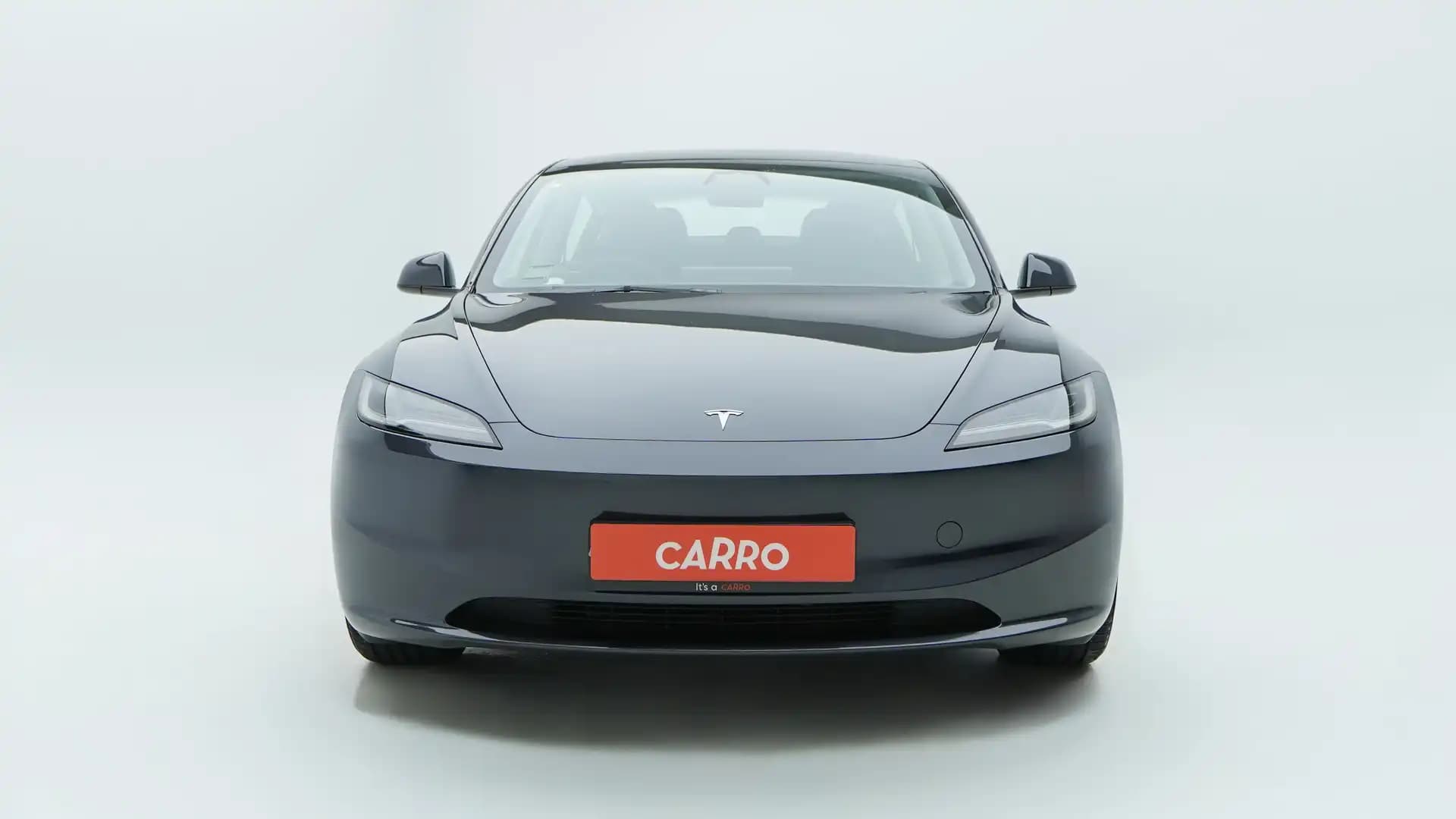
 A Tesla Model 3 RWD going for $190,888 at Carro SG.
Government rebates such as the EV Early Adoption Incentive (EEAI) and the Vehicle Emissions Scheme (VES) can reduce the gap, but EVs often remain the pricier option at purchase.
A Tesla Model 3 RWD going for $190,888 at Carro SG.
Government rebates such as the EV Early Adoption Incentive (EEAI) and the Vehicle Emissions Scheme (VES) can reduce the gap, but EVs often remain the pricier option at purchase.
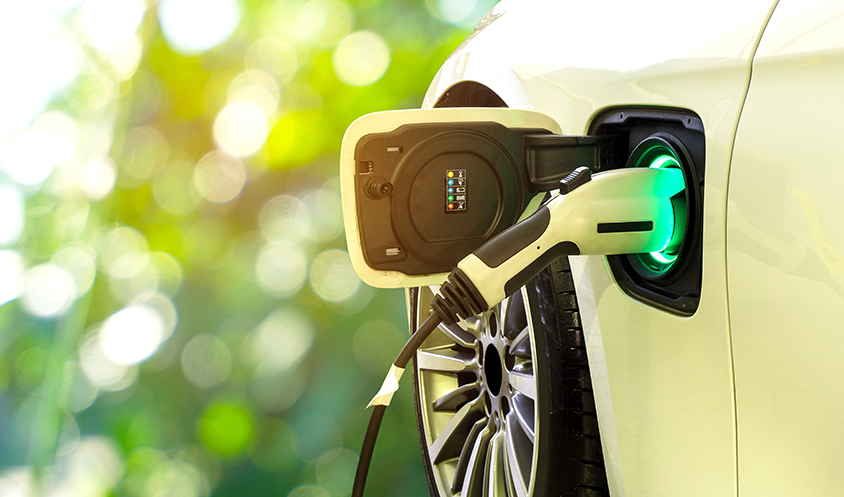 EV owners save on petrol costs but need to factor in electricity for charging. Home charging is the cheapest option since you pay standard residential electricity rates, and it’s also the most convenient because you can plug in overnight and start each day with a full battery. Public fast chargers are pricier and better suited for quick top-ups.
Petrol cars require regular refuelling, and fuel prices fluctuate. On average, EVs can be cheaper to run per kilometre, especially for city commuting, but only if charging is convenient and affordable.
EV owners save on petrol costs but need to factor in electricity for charging. Home charging is the cheapest option since you pay standard residential electricity rates, and it’s also the most convenient because you can plug in overnight and start each day with a full battery. Public fast chargers are pricier and better suited for quick top-ups.
Petrol cars require regular refuelling, and fuel prices fluctuate. On average, EVs can be cheaper to run per kilometre, especially for city commuting, but only if charging is convenient and affordable.
 A 2019 Toyota Vios holding its value at $63,888 on Carro.
Upfront cost: EVs still cost more
EVs tend to have a higher purchase price when compared with their petrol counterparts. Popular EVs like the BYD Seal, ORA Good Cat, and Tesla Model 3 are making EVs more accessible, but they still cost significantly more upfront than everyday petrol cars like the Toyota Corolla or Honda City.A Tesla Model 3 RWD going for $190,888 at Carro SG.
Government rebates such as the EV Early Adoption Incentive (EEAI) and the Vehicle Emissions Scheme (VES) can reduce the gap, but EVs often remain the pricier option at purchase.
Maintenance: Fewer moving parts, fewer surprise fixes
EVs have fewer mechanical parts than petrol cars, meaning there’s less that can break. No oil changes, spark plugs, or exhaust system repairs. However, the highest potential cost of an EV is the battery, which can last 8–10 years but may cost $8,000-$20,000 to replace. Petrol cars have regular servicing needs like oil changes, engine checks, and timing belt replacements. While generally less expensive upfront, these recurring costs can add up over the years.Fuel vs electricity: Check your daily running costs
EV owners save on petrol costs but need to factor in electricity for charging. Home charging is the cheapest option since you pay standard residential electricity rates, and it’s also the most convenient because you can plug in overnight and start each day with a full battery. Public fast chargers are pricier and better suited for quick top-ups.
Petrol cars require regular refuelling, and fuel prices fluctuate. On average, EVs can be cheaper to run per kilometre, especially for city commuting, but only if charging is convenient and affordable.
Depreciation and resale value
EVs currently face faster depreciation than petrol cars, partly because the technology is evolving quickly. Older EV models may lose value faster as newer, longer-range cars enter the market. Petrol cars tend to hold value more predictably, making them a safer bet if resale value is important. Their technology is well-established, buyer demand is steady, and there’s a larger used-car market familiar with maintenance and long-term running costs. Brands like Toyota, in particular, are known for strong resale value due to reliability and consistent demand.A 2019 Toyota Vios holding its value at $63,888 on Carro.
Who really saves in Singapore?
EVs can offer long-term savings if:- You have easy access to charging at home or work
- You mainly drive short city distances
- You plan to keep the car for many years
- You drive long distances or across borders frequently (relying on fast chargers will rake up charging cost)
- You want lower upfront costs
- You don’t have convenient access to charging


