
Car Reviews
Hybrid or EVs: Which Should You Switch To?
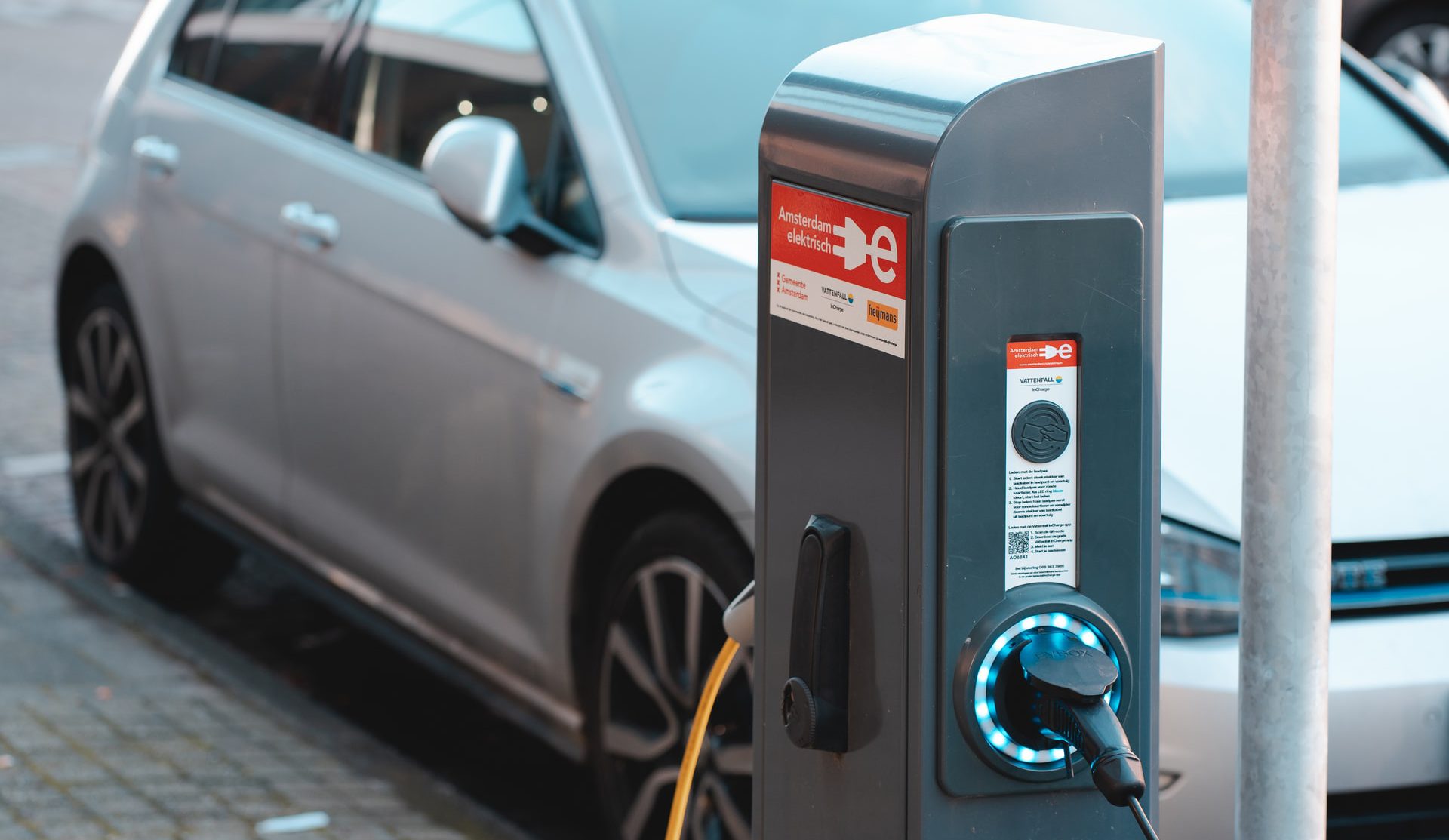 The world has slowly been moving towards cleaner energies, and for car owners, that means a move towards hybrids and EVs. As we make this shift, you may be wondering, which is better? Which one should you get? Well, I’m here to help you answer those questions. Let’s break down what exactly the differences are between hybrids and EVS, and their pros and cons.
Hybrids vs EVs
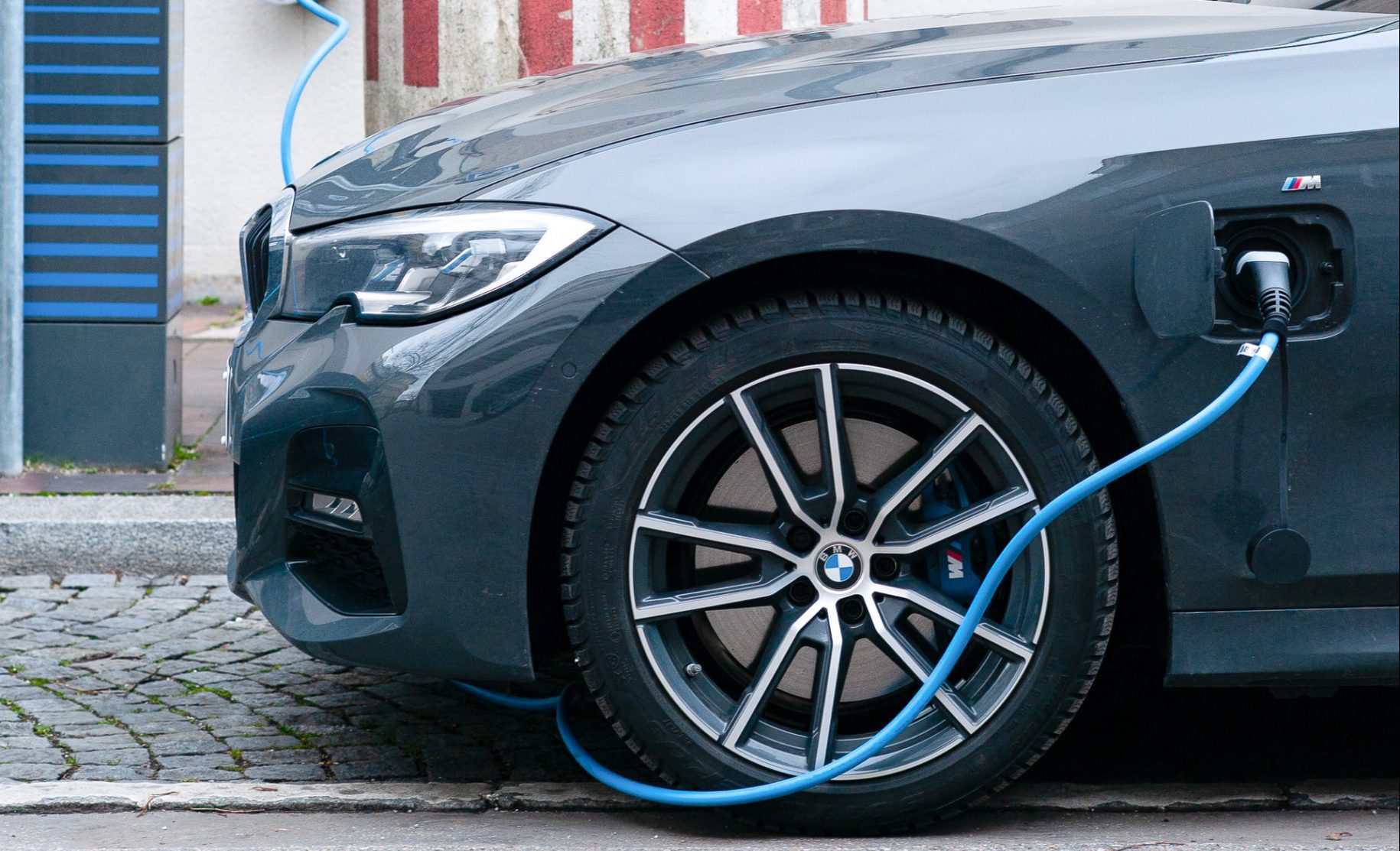 EVs is actually a blanket term for all electric vehicles, and within that we have two types of EVs: all-electric vehicles (AEVs) and plug-in hybrid electric vehicles (PHEVs).While they both offer cleaner engine alternatives, they have a few key differences that are important to understand.
Their differences are outlined in the table below. *if the source of electricity is from renewable resources
EVs is actually a blanket term for all electric vehicles, and within that we have two types of EVs: all-electric vehicles (AEVs) and plug-in hybrid electric vehicles (PHEVs).While they both offer cleaner engine alternatives, they have a few key differences that are important to understand.
Their differences are outlined in the table below. *if the source of electricity is from renewable resources
Cost of Fuel
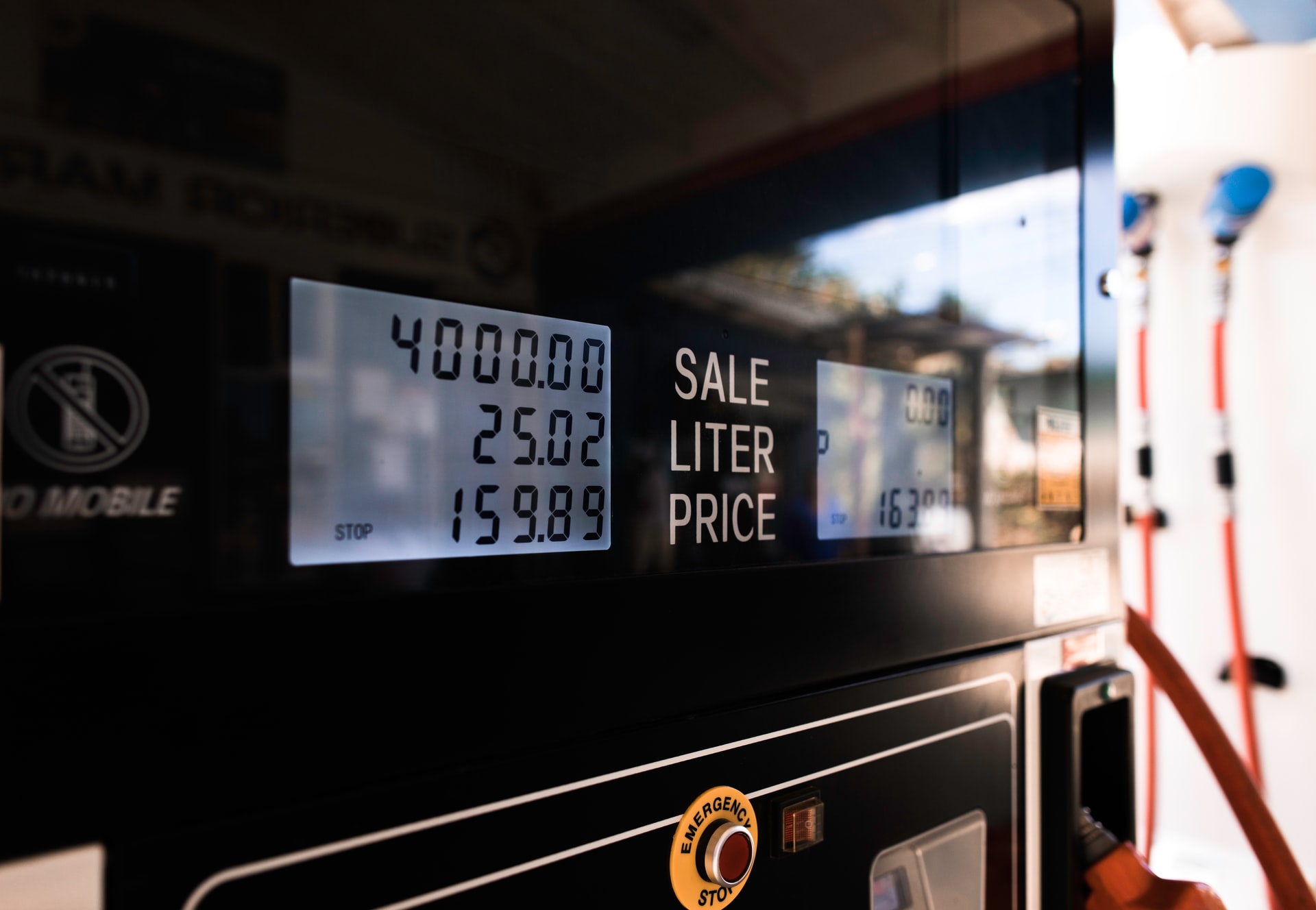 One of the major differences between hybrid and all-electric vehicles is fuel type. Both types have a battery that can be recharged with electricity, but hybrids have more fuel flexibility as they can run on petrol as well.
Many people prefer hybrids as having a gasoline-powered engine removes some of the stress that comes with an electric vehicle’s limited range. Gas stations are much more common than EV charging stations, so running out of gas is less of an issue than running out of charge in an EV.
But in terms of just fuel costs, all-electric vehicles make less of a dent as charging your electric battery will just be added to your home electricity bill. Electricity prices also tend to be lower than gasoline prices on a per-mile basis, so AEVs boast cheaper fuel costs then hybrids.
One of the major differences between hybrid and all-electric vehicles is fuel type. Both types have a battery that can be recharged with electricity, but hybrids have more fuel flexibility as they can run on petrol as well.
Many people prefer hybrids as having a gasoline-powered engine removes some of the stress that comes with an electric vehicle’s limited range. Gas stations are much more common than EV charging stations, so running out of gas is less of an issue than running out of charge in an EV.
But in terms of just fuel costs, all-electric vehicles make less of a dent as charging your electric battery will just be added to your home electricity bill. Electricity prices also tend to be lower than gasoline prices on a per-mile basis, so AEVs boast cheaper fuel costs then hybrids.
Maintenance Costs
 The maintenance costs for hybrids tend to be higher than AEVs. Hybrids run into the same issues that ICEs also experience, such as problems with the engine oil, transmission fluid, coolant, and belt replacement. However, these problems occur at a lower rate than ICE vehicles that solely rely on their combustion engine.
AEVs avoid a lot of the costs that are typically associated with combustion engines. They do still experience universal car issues like tire changes, insurance plans, and structural damages. So, while they do have some maintenance costs, it’s not on the same level as that of a hybrid.
The maintenance costs for hybrids tend to be higher than AEVs. Hybrids run into the same issues that ICEs also experience, such as problems with the engine oil, transmission fluid, coolant, and belt replacement. However, these problems occur at a lower rate than ICE vehicles that solely rely on their combustion engine.
AEVs avoid a lot of the costs that are typically associated with combustion engines. They do still experience universal car issues like tire changes, insurance plans, and structural damages. So, while they do have some maintenance costs, it’s not on the same level as that of a hybrid.
Rebates and Incentives
 Many major cities have made commitments to lower emissions from ICE vehicles, and so they offer rebates and incentives for those who decide to purchase hybrids or EVs.
However, these incentives are always changing. So before you decide to get a hybrid of EV, be sure to check out what rebates and incentives are offered for each vehicle.
Now that you understand the differences between Hybrids and EVs, let’s jump into their pros and cons.
Many major cities have made commitments to lower emissions from ICE vehicles, and so they offer rebates and incentives for those who decide to purchase hybrids or EVs.
However, these incentives are always changing. So before you decide to get a hybrid of EV, be sure to check out what rebates and incentives are offered for each vehicle.
Now that you understand the differences between Hybrids and EVs, let’s jump into their pros and cons.
Hybrids
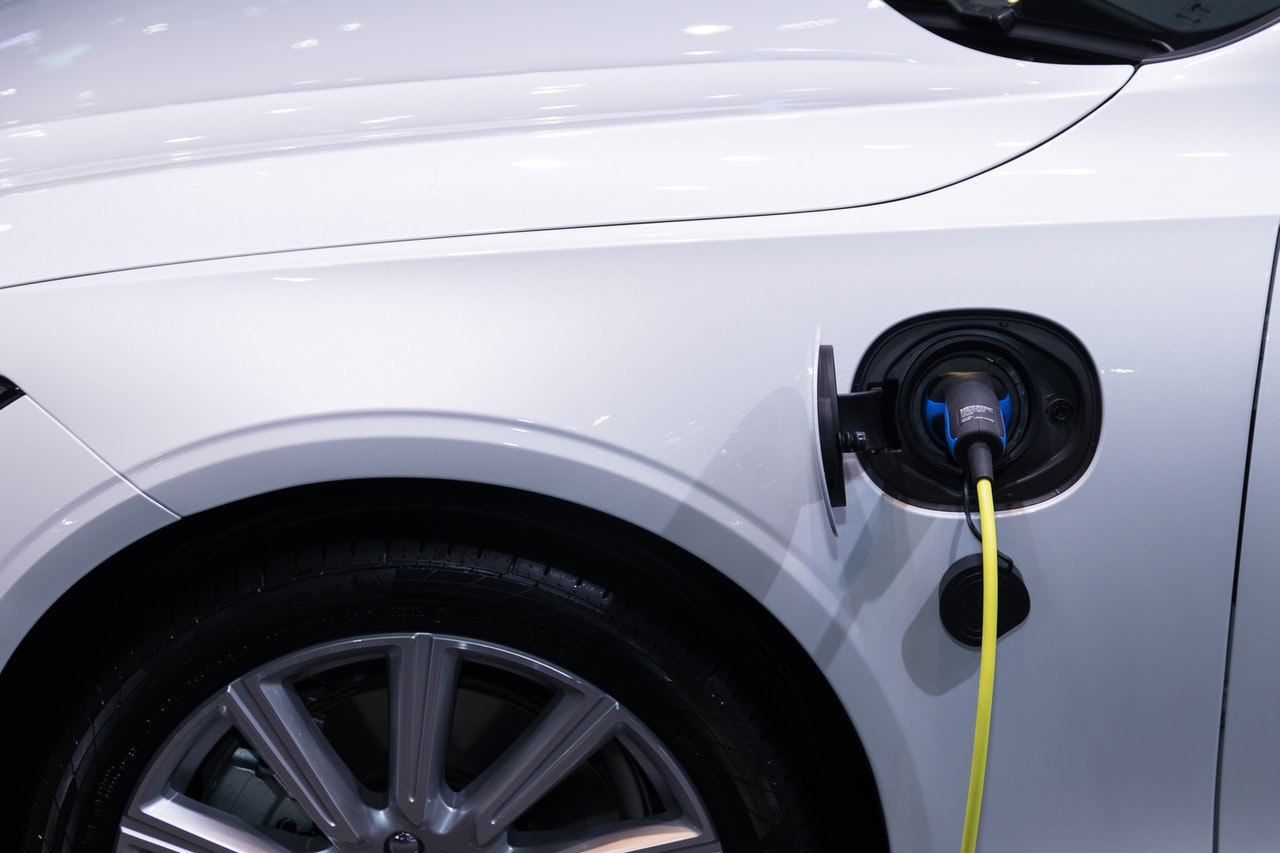
Pros
- Environmentally friendly
- high fuel efficiency
- Have fuel flexibility
Cons
- Higher up front costs
- Maintenance costs can be high
- Still produce fossil fuel emissions
EVs
Pros
- High energy efficiency
- Reduced emissions
- Strong performance
- Low maintenance
Cons
- Travel less distance
- Take longer to “refuel”
- More expensive, battery packs may need to be replaced
 Overall, both cars come with their pros and cons. It all depends on your own needs.
So, in order to choose which one best suits you, have a good idea of what you’re looking for in a car and why you’re getting a car. This way, you can look at the list of pros and cons for EVs and hybrids, and properly decide which best suits you.
As you research more into what car you want to get, be sure to check out CARRO’s diverse list of cars here! Our cars come with a rigorous 150-point inspection check, as well as a 6-month engine and gearbox warranty, assuring you of their quality. Plus, with CARRO’s newly launched Covered, you can get usage-based insurance that also covers EVs.
Buy worry-free with CARRO today!
Overall, both cars come with their pros and cons. It all depends on your own needs.
So, in order to choose which one best suits you, have a good idea of what you’re looking for in a car and why you’re getting a car. This way, you can look at the list of pros and cons for EVs and hybrids, and properly decide which best suits you.
As you research more into what car you want to get, be sure to check out CARRO’s diverse list of cars here! Our cars come with a rigorous 150-point inspection check, as well as a 6-month engine and gearbox warranty, assuring you of their quality. Plus, with CARRO’s newly launched Covered, you can get usage-based insurance that also covers EVs.
Buy worry-free with CARRO today!